

Our work
Work that reaches the water.
Selected projects in fisheries, gender equality
and ocean governance.
Current work.
Current
Pacific Islands Forum Fisheries Agency (FFA)
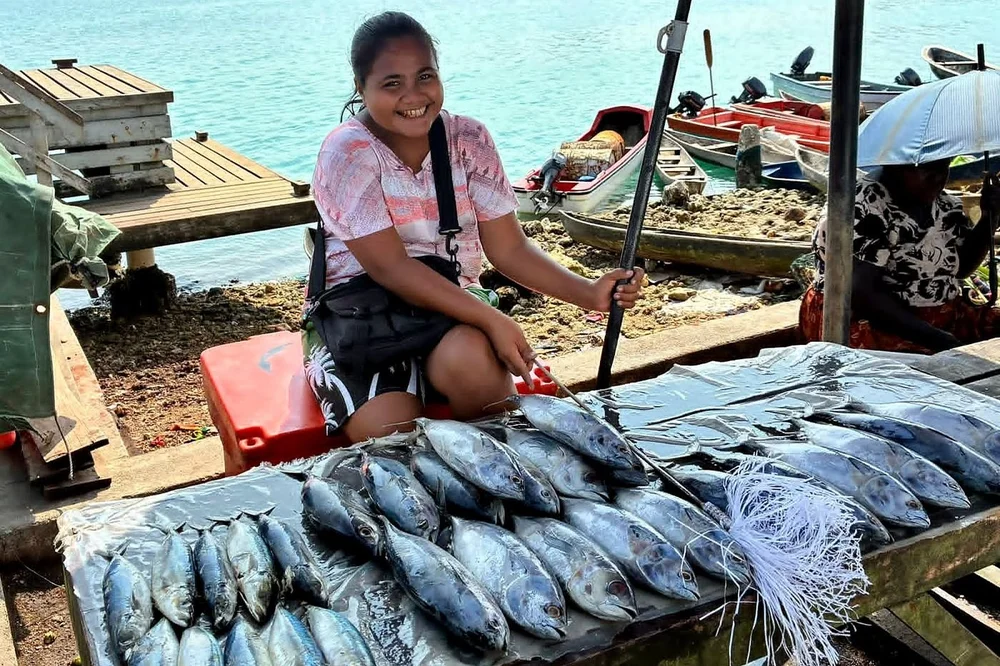
A regional livelihoods framework for Pacific tuna processors
Climate-resilient livelihoods and food security from Pacific tuna, with women and youth at the centre of processing and value-adding.
Read the case study
The challenge. FFA wanted a practical, regionally representative framework to help small and medium tuna processors across Pacific Island countries, with real attention to women, youth and local entrepreneurs. Tuna governance has become driven by trade and market access, which has left women's post-harvest and trading roles largely invisible.
What we did. ORCA is leading a five-stage programme: inception and ethics planning, a desk review of policy and literature, fieldwork in one country from each sub-region (Polynesia, Micronesia, Melanesia), stakeholder consultations, then framework development and recommendations. Fieldwork covers Aitutaki and Rarotonga, South Tarawa, and Honiara, Noro, Gizo and Western Province villages, with key informant interviews and focus groups with fishers and women market sellers.
The result. A regional livelihoods framework for small and medium tuna processing and value-adding enterprises in Pacific Island countries. It gives FFA and its members a practical guide to supporting domestic processing in ways that strengthen food security, climate-resilient livelihoods and opportunities for women, youth and local entrepreneurs.
Current
The Pacific Community (SPC) · Green Climate Fund
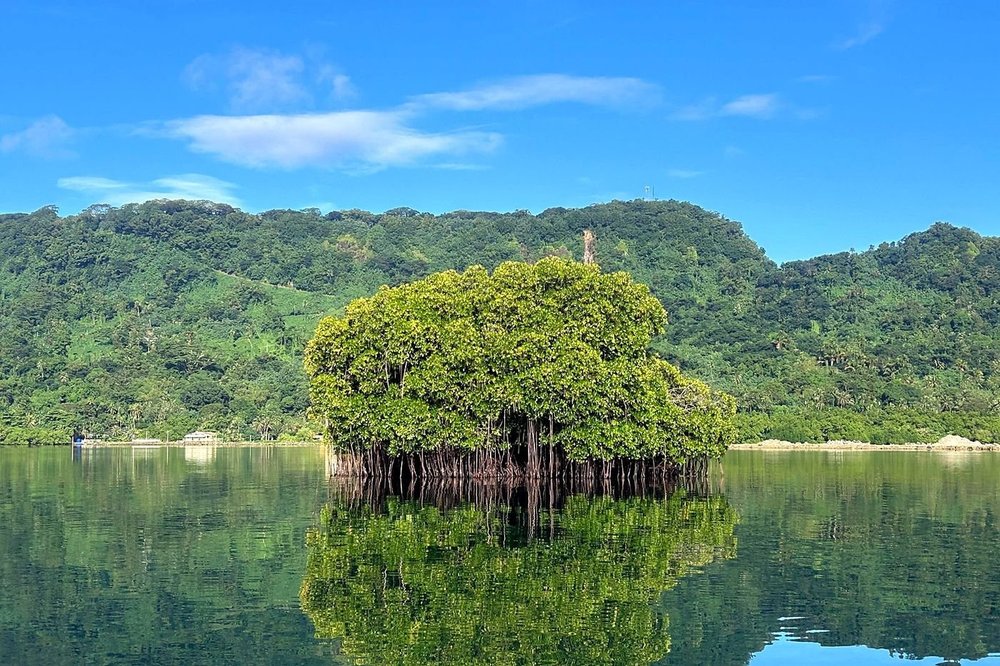
Gender equality in Micronesia's climate grants programme
Making sure climate money in Micronesia reaches women and the most vulnerable.
Read the case study
The challenge. The FSM Enhancing Direct Access (EDA) Programme, backed by a USD 16.6 million Green Climate Fund grant, lets municipal and state governments apply directly for climate adaptation funding in food security, water security and disaster risk reduction. Green Climate Fund rules require gender to be built into every grant, from proposal to monitoring.
What we did. As the programme's gender equality and social inclusion (GESI) expert, ORCA wrote the GESI methodology and a methods playbook, built a design review rubric for scoring proposals, supported proposal development and review, ran an in-country workshop in May 2026 and developed progress markers to track change.
The result. GESI is now part of how proposals are written, reviewed and approved. The programme's first call for proposals, open to all four FSM states, brought in 20 full proposals.
Recent work.
SPC · NZ MFAT
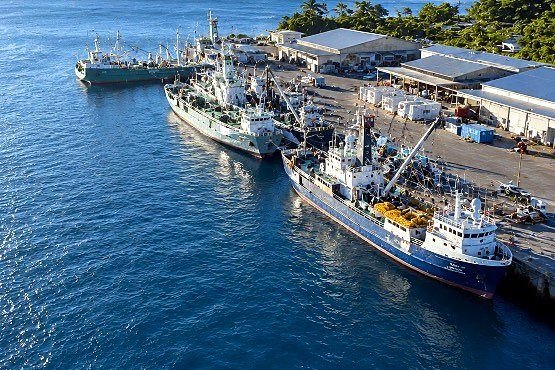
Bringing gender and inclusion into Pacific tuna climate science
Climate science that works for everyone who depends on tuna.
Read more
The challenge. The Climate Science for Ensuring Pacific Tuna Access (CSEPTA) project is building a tuna-climate dashboard to help Pacific countries plan for shifting tuna stocks. SPC needed to make sure the project's work did not leave women, youth and marginalised groups out.
What we did. A desktop GEDSI analysis using the Pacific Handbook for human rights, gender equity and social inclusion in tuna industries and SPC's Social and Environmental Responsibility Policy, worked through review rounds with SPC and MFAT.
The result. A prioritised set of practical actions, from collecting data by gender, age and disability to holding meetings at times women can attend and linking every activity to the project's monitoring framework.
ACIAR · DFAT
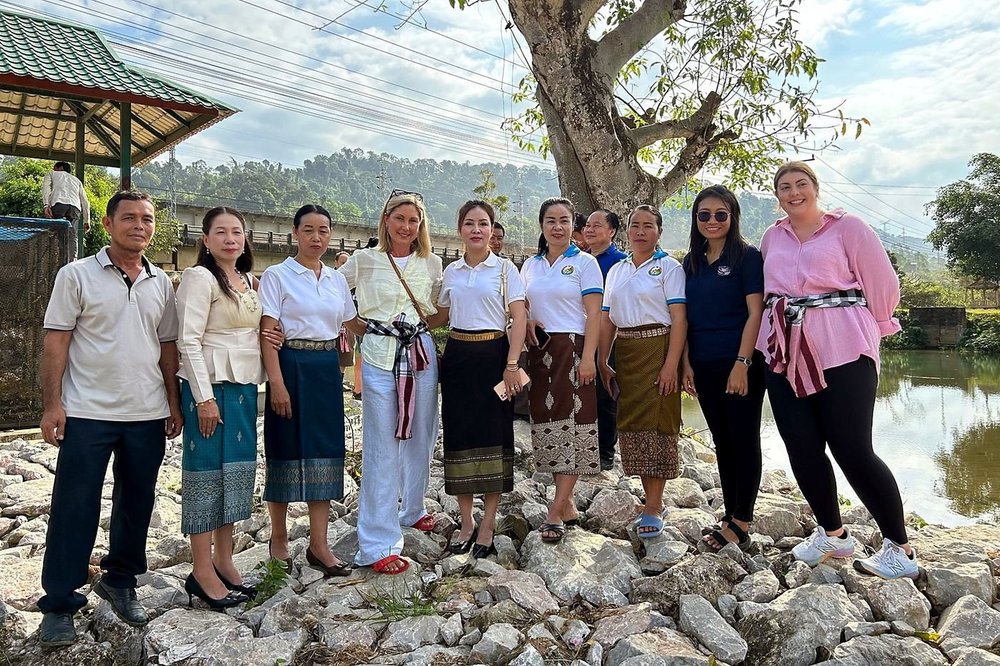
Mid-term review of FishTech, fish passage across Southeast Asia
Independent evaluation of a three-country river fisheries programme.
Read more
The challenge. FishTech builds fish passes into irrigation and hydropower schemes so river fish, and the people who rely on them for food and income, can recover. ACIAR needed an independent mid-term review, including how well the project was serving women, people with disabilities and other groups.
What we did. Victoria was evaluator and GEDSI specialist on a three-person review team, assessing fishway design, capacity building, and governance and policy, with in-country work in all three countries and a GEDSI scoping visit to the Sleng Weir fish pass in Siem Reap.
The result. A final review report with recommendations for the project team and ACIAR, including dedicated GEDSI recommendations. Victoria gave the keynote at the 2nd Lower Mekong Fish Passage Conference in 2025.
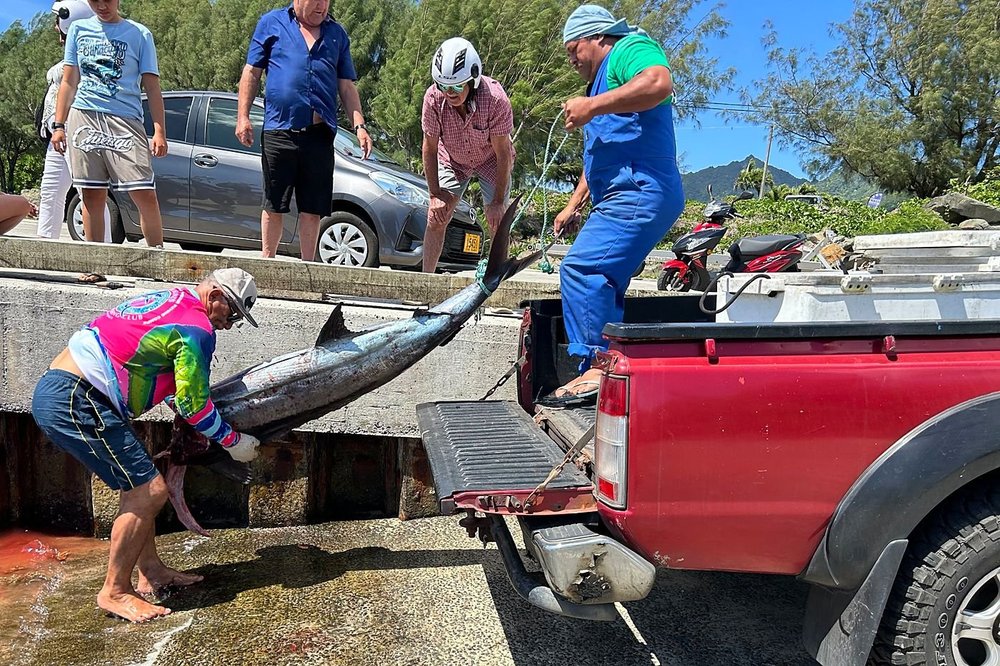
EqualSea · IMEDEA (CSIC-UIB)
Measuring fairness in the Cook Islands' ocean governance
Asking Cook Islanders whether ocean protection feels fair.
Read more
The challenge. Marine protected areas are expanding fast toward protecting 30% of the ocean by 2030. Without local voices, or fair sharing of benefits and costs, they can deepen inequality. The Cook Islands' Marae Moana covers its entire exclusive economic zone, alongside the traditional ra'ui system.
What we did. As lead researcher for the Pacific Islands case study, Victoria ran Ocean Equity Index surveys with key informants and residents on three islands, looking at women's roles, community knowledge, livelihoods, decision-making and who carries the benefits and risks.
The result. Preliminary survey results for the EqualSea team, with joint papers on Marae Moana in development.
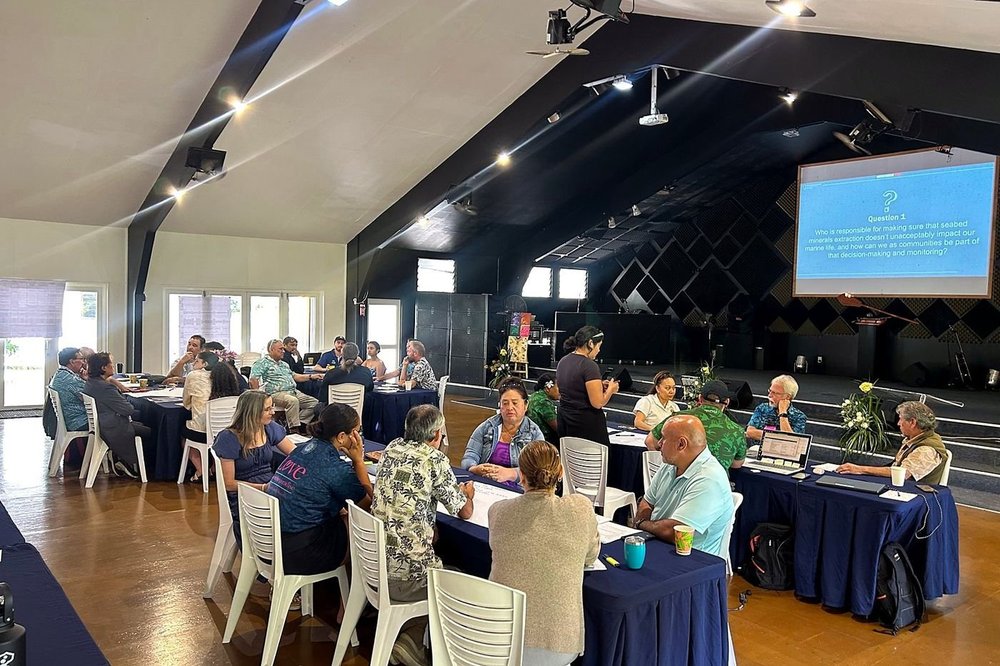
Cook Islands Seabed Minerals Authority
Public consultation on seabed minerals management
Helping a Pacific nation hear its people on deep-sea minerals.
Read more
The challenge. The Regional Environmental Management Plan (REMP) sets the ecosystem-based rules for any future seabed minerals activity. Public trust depends on people understanding the plan and seeing their views reflected in it.
What we did. As stakeholder engagement advisor, ORCA helped design the consultation, wrote public-facing briefing material and the facilitator brief, facilitated the stakeholder workshop and drew together what stakeholders said.
The result. The consultation showed high public endorsement of the assessment work and keen community interest in helping design and carry out management measures. The SBMA has since released the Strategic Environmental Assessment and the REMP.
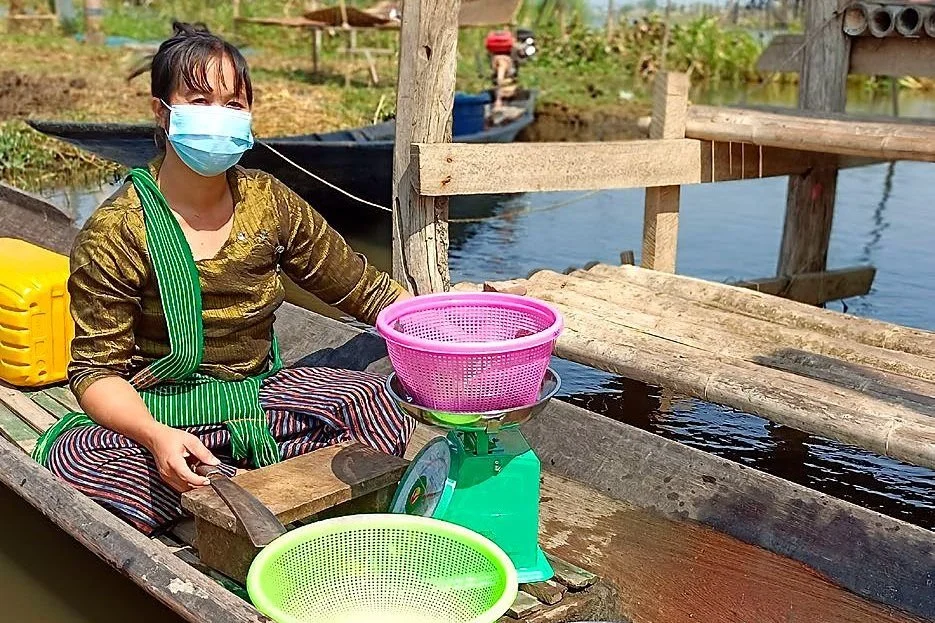 Photo: WorldFish
UTS Institute for Sustainable Futures · Australian Water Partnership
Water, food and gender equality: the nexus brief
A published guide to where water, fish and gender equality meet.
Read more
The challenge. Water policy, fisheries and gender equality are usually handled separately, so the links between them get missed, especially women's roles in freshwater fisheries.
What we did. ORCA led the research and writing on the water security, fisheries and gender equality nexus, including a Myanmar case study, literature analysis and a synthesis of Southeast Asian case studies.
The result. Water, Food, and Gender Equality Synergies (Syddall and Grant, 2023), launched by the Australian Water Partnership in September 2023.
"Victoria led the research and writing of a complex and nuanced report for us… I'm sure it is a resource that will be widely referred to and used by our sector." Melita Grant, Research Director, Institute for Sustainable Futures, UTS
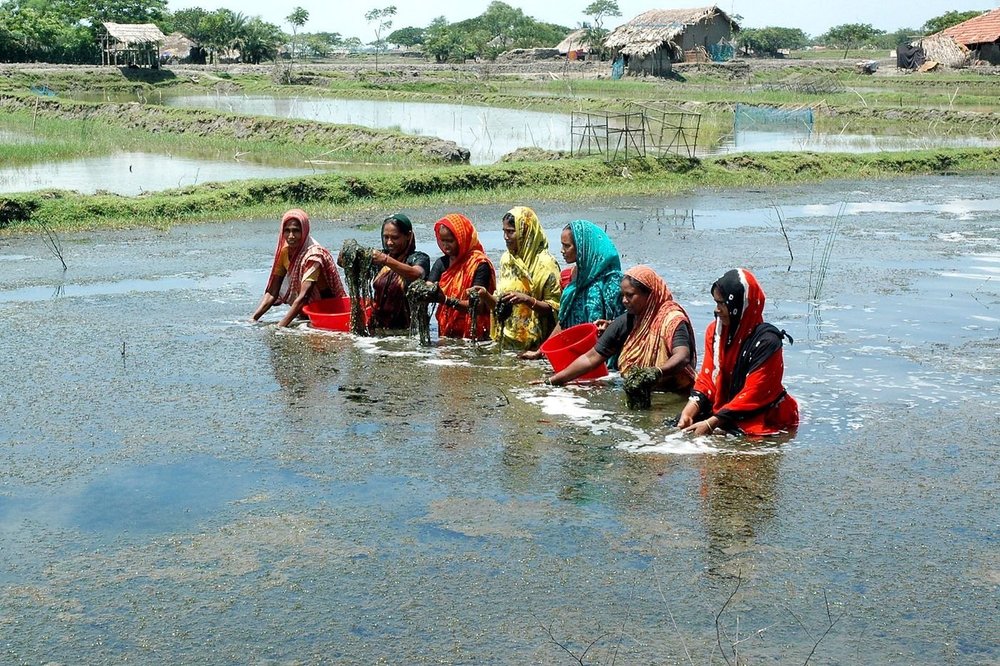 Photo: WorldFish
Asian Institute of Technology · GAF Section, Asian Fisheries Society
Tracking gender change in aquaculture projects
A framework for measuring real change for women in aquaculture.
Read more
The challenge. Aquaculture projects rarely have good ways to measure whether they are changing things for women. Counting participants says little about real shifts in power, income or decision-making.
What we did. For the Gender in Nature-based Climate Solutions in Aquaculture (GeNA) project, funded through IDRC's AQUADAPT initiative, ORCA carried out a desk review of gender monitoring and evaluation in aquaculture and was lead author of a gender-responsive monitoring and evaluation framework.
The result. The work fed into a peer-reviewed paper: Kusakabe et al. (2025), Gender monitoring schema for aquaculture projects: Capturing the process of change, Aquaculture 609, 742776.
Have a project in mind?
We work with regional agencies, governments, donors, universities and NGOs.
Get in touch